Building containment into a new data centre is straightforward. The architects design it in. The contractors install it before the first server arrives. Nobody is working around live equipment or negotiating maintenance windows.
Retrofitting containment into an existing, operating data centre is a different problem entirely. The racks are populated. The cooling system is running. The facility has uptime commitments. And the operations team has to figure out how to install physical barriers in a live environment without causing the kind of thermal disruption that containment is supposed to prevent.
Most vendor literature focuses on the benefits of containment (lower PUE, reduced cooling costs, better thermal control) without addressing the practical reality of getting it installed in a facility that cannot afford downtime. This post covers what a containment retrofit actually involves: the cost components, the realistic timelines, and the results you can expect once the project is complete.
Phase 1: Assessment and Design
Before any physical work begins, someone needs to survey the facility and design the containment layout. This phase is often underestimated.
What the Survey Covers
A proper containment assessment evaluates the physical environment where the containment will be installed. This includes aisle width (which determines panel sizing), ceiling height and obstructions (overhead cable trays, fire suppression piping, lighting fixtures), floor type (raised floor vs slab), and the current cooling system layout (CRAC/CRAH unit positions, supply and return air paths).
The survey also evaluates the racks themselves. Mixed rack heights in the same aisle create gaps that need custom filler panels. Racks that are not aligned to a consistent depth create uneven front and rear planes that make door-style containment difficult.
The Blanking Panel Audit
This step gets skipped in too many retrofit projects, and it undermines the results.
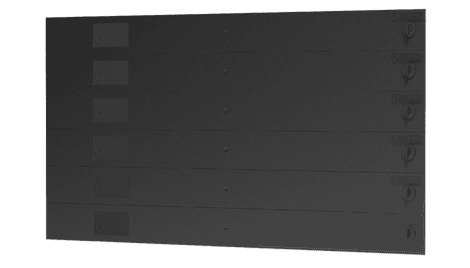
Containment creates a sealed thermal zone. If the racks inside that zone have open, unsealed rack units, bypass airflow still occurs within the contained space. Cold supply air passes through the open spaces instead of through the servers. The containment system works perfectly at the aisle level, but the rack-level leakage reduces the measurable efficiency gain.
Before containment goes in, every rack in the target aisle needs a blanking panel audit to identify and seal open rack units. This is not optional. It is a prerequisite for getting the full return on the containment investment.
Design and Engineering
The design phase produces the containment layout: panel types, door specifications, roof panel configuration, and integration details for obstacles like cable trays and fire suppression heads. For complex retrofits, CFD (computational fluid dynamics) modeling may be used to predict the thermal impact and verify that the cooling system can handle the changed airflow dynamics.
This phase typically takes 2 to 4 weeks depending on facility size and complexity. Costs vary based on whether the containment vendor provides design services in-house or whether an independent mechanical engineer is engaged.
Phase 2: Procurement and Pre-Staging
Once the design is finalised, materials are ordered and delivered. Lead times vary by vendor and product type.
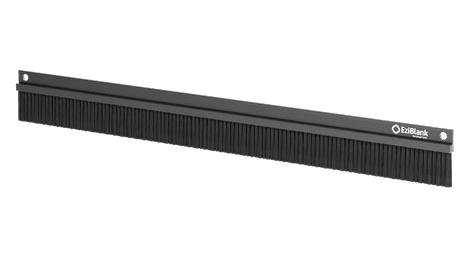
Curtain-based systems have the shortest lead times because the materials are simpler: strip curtains or solid vinyl panels, aluminum or steel framing, and basic mounting hardware. These can typically ship within 1 to 3 weeks.
Rigid panel systems (polycarbonate, acrylic, or composite panels in engineered frames) take longer, especially if custom sizing is required. Expect 3 to 6 weeks for standard configurations and longer for non-standard aisle widths or ceiling heights.
Modular containment systems designed for flexibility and reconfiguration sit between the two. EziBlank’s containment solutions use a modular approach that balances installation speed with long-term adaptability, which matters in facilities where the rack layout may change during the containment system’s lifespan.
Pre-staging means receiving the materials, inspecting them, and organizing them for installation before the maintenance window begins. Doing this work in advance keeps the actual installation time as short as possible.
Phase 3: Installation in a Live Environment
This is where retrofit projects differ most from new builds. The facility is running. Servers are processing workloads. The cooling system is active. Every action taken during installation has the potential to affect the thermal environment.
Phased Rollout Strategy
The safest approach for live environments is to install containment one aisle at a time. This limits the thermal impact to a single zone and allows the operations team to monitor the cooling system’s response before moving to the next aisle.
A typical phased rollout follows this sequence:
Step 1: Install blanking panels in all racks within the target aisle. This can usually happen during normal operations without a maintenance window. Tool-free panels can be installed in minutes per rack.
Step 2: Install the containment framework (uprights, cross-members, roof panel supports). Depending on the system type, this may require a brief maintenance window for overhead work near active racks.
Step 3: Install containment panels, doors, and roof sections. This is the most disruptive step and typically requires a scheduled maintenance window of 4 to 8 hours per aisle.
Step 4: Adjust the cooling system. After containment is installed, CRAC/CRAH units may need fan speed adjustments, temperature setpoint changes, or VFD recalibration. This step is critical and often requires involvement from the facility’s mechanical contractor.
Step 5: Monitor and verify. Run the contained aisle for at least one full thermal cycle (24 to 48 hours) before declaring the installation complete. Compare inlet temperatures, return air temperatures, and PUE data against the pre-containment baseline.
Timeline Per Aisle
For a standard aisle of 10 to 20 racks:
- Blanking panel remediation: 1 to 2 days (no downtime required)
- Framework installation: 1 day
- Panel, door, and roof installation: 1 to 2 days
- Cooling system adjustment: half a day to 1 day
- Monitoring and verification: 2 days
Total elapsed time per aisle: approximately 5 to 7 working days, with the actual disruptive work condensed into 1 to 2 maintenance windows.
For a full facility with 10 to 20 aisles, expect the complete rollout to take 3 to 6 months when executed in phases.
Phase 4: Fire Suppression Review
This is the cost that catches people off guard.
Adding physical barriers to a data hall changes the room’s geometry. Hot aisle containment creates enclosed volumes that may affect how fire suppression agents distribute across the space. Cold aisle containment creates enclosed corridors that may trap or redirect suppression agent flow.
In many jurisdictions, any structural modification to a fire-suppressed space triggers a review by a fire protection engineer. The review determines whether the existing suppression system provides adequate coverage with the containment in place, or whether modifications (additional nozzle heads, adjusted flow rates, repositioned detection sensors) are required.
This review can add 2 to 4 weeks to the project timeline and costs vary significantly based on the suppression system type and local code requirements. Gas-based systems (FM-200, Novec 1230) are more sensitive to room geometry changes than sprinkler-based systems.
Plan for this from the start. Discovering the fire suppression requirement mid-project creates delays and budget overruns.
What Results Look Like
The measurable outcomes from a containment retrofit depend on the starting condition of the facility. Facilities with poor airflow management before containment see the largest gains. Facilities that already have good blanking panel coverage and reasonable cooling system tuning see smaller but still meaningful improvements.
PUE Improvement
Published case studies and industry benchmarks from organisations like the Uptime Institute and the Green Grid indicate that containment typically improves PUE by 0.1 to 0.3 points. A facility starting at PUE 1.8 might reach 1.5 to 1.6 after full containment deployment with proper cooling system adjustment.
The key phrase is “with proper cooling system adjustment.” Containment without cooling system tuning delivers a fraction of the potential improvement. The cooling system needs to recognise that it can now deliver warmer supply air (because that air arrives at the server inlets without being diluted by hot exhaust). If the setpoints are not updated, the system keeps overcooling the supply air and the energy savings are minimal.
Temperature Consistency
Before containment, inlet temperatures across a row of racks can vary by 8 to 12 degrees Celsius due to hot air recirculation. After containment, that variation typically narrows to 2 to 4 degrees. This consistency reduces hot spots, eliminates the need for overcooling the entire room to protect the worst-case rack, and extends equipment lifespan.
Cooling Capacity Recovery
Many facilities believe they need more cooling capacity when what they actually need is better airflow management. Containment can recover 20 to 40% of “stranded” cooling capacity by eliminating the waste caused by hot and cold air mixing. This can defer or eliminate capital expenditure on additional cooling units.
The Retrofit Is the Hard Part. The Results Are Worth It.
Nobody chooses a containment retrofit because it is easy. The assessment takes time. The installation requires coordination. The fire review adds complexity. But the operational benefits compound year after year: lower energy bills, fewer thermal incidents, more usable cooling capacity, and a measurable improvement in your facility’s efficiency metrics.